
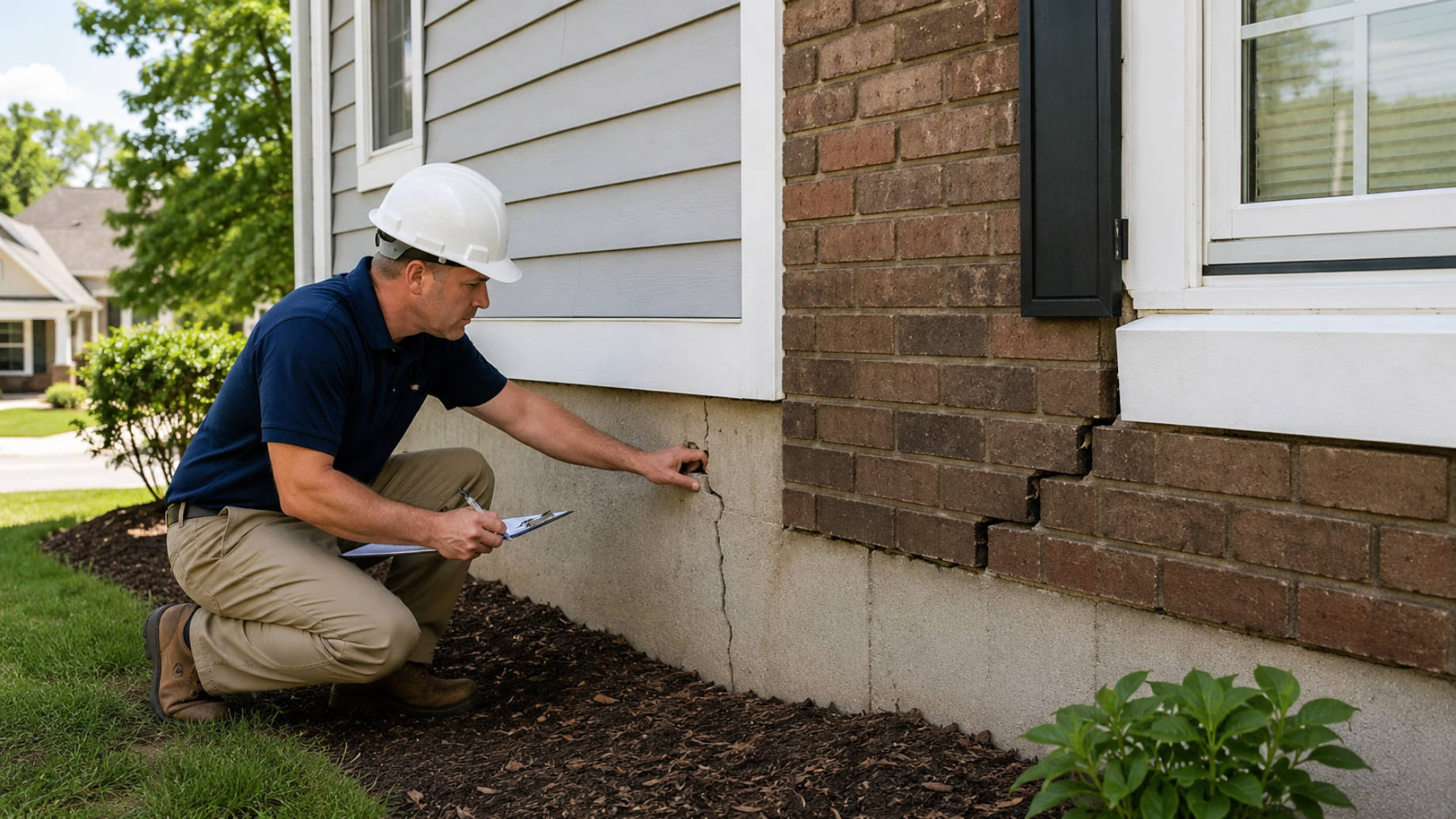
Foundation Leveling Services: A Homeowner’s Guide
Uneven floors, cracked walls, and changes in door alignment can make homeowners question whether their property needs foundation work. These symptoms may be associated with settlement, soil movement, or other building conditions that require investigation. Foundation Leveling Services are intended to address certain forms of unevenness related to foundation movement, but the correct solution depends on the underlying cause and the design of the structure.
Understanding what these services involve helps property owners ask better questions, compare repair options, and avoid paying for work that does not address the actual problem. A careful process begins with inspection, continues with a suitable repair plan, and includes follow-up maintenance to help protect the building.
What Foundation Leveling Services Include
Foundation leveling services may involve evaluating uneven floors, measuring changes in elevation, assessing visible foundation damage, and determining whether settlement has affected structural support. Depending on the findings, a contractor may recommend underpinning, specialized concrete lifting, stabilization, or other appropriate work.
The term can describe several different procedures rather than one standardized method. A concrete slab that has settled may require a different solution from a house with a crawl space and damaged support components. Some properties need structural repairs, while others primarily require work on floor framing or moisture management.
Before approving a service, homeowners should ask for a clear explanation of the work being proposed. The contractor should identify the areas affected, describe the expected outcome, and explain whether the project is intended to stabilize movement, adjust floor levels, or address another specific condition.
Identifying Unevenness and Related Symptoms
Foundation-related unevenness may become noticeable through changes in how a home functions. Doors may rub against their frames, windows may become difficult to open, or cracks may appear near openings in walls. Some homeowners notice that furniture no longer sits evenly or that floors slope toward one part of the room.
These symptoms can have multiple explanations. Moisture-related changes in wood, damaged floor joists, and ordinary building settlement may produce similar effects. The pattern and progression of the symptoms are important, but no single observation reliably identifies the cause in every property.
Keep a record of visible changes and seek professional advice when symptoms persist or worsen. If there is substantial displacement or rapidly developing structural damage, arrange a prompt assessment rather than waiting for routine maintenance.
How Soil and Water Affect Foundations
The soil beneath a building provides the support needed to carry its weight. When soil compresses unevenly, a foundation can settle in different amounts across the structure. Some soils also change volume in response to moisture, creating seasonal movement that may affect the foundation.
Water management can contribute to these conditions. Damaged gutters, short downspouts, leaking plumbing, and poor grading may concentrate moisture in specific areas. Conversely, extended dry conditions can reduce soil moisture and contribute to shrinkage in susceptible soils.
A repair plan should consider the relationship between the foundation and its surrounding environment. In some cases, drainage corrections are necessary alongside structural repairs. In others, the primary issue may involve soil support or a different building component. The right diagnosis prevents homeowners from treating a symptom while leaving the cause unresolved.
Common Approaches to Leveling
Underpinning may be considered when additional foundation support is needed. Certain systems use piers or other structural supports to transfer loads to suitable bearing material. Their design and placement depend on the building, soil conditions, and engineering requirements.
Concrete slab lifting is another possible approach for selected conditions. The suitability of a lifting method depends on the slab’s condition, the source of settlement, and whether the underlying soil can provide reliable support after the work. Not every settled slab can or should be lifted.
Where floors are uneven because of damaged framing, the appropriate repair may involve floor joists, beams, posts, or other components rather than foundation leveling. An assessment should distinguish these situations before work begins.
What to Expect During a Service Appointment
An initial appointment typically involves discussing the symptoms, reviewing the building’s history, and examining accessible areas. The contractor may measure floor elevations, inspect visible foundation walls, and evaluate drainage around the home.
If the inspection identifies complex structural concerns, additional evaluation may be required. A structural engineer can assess load-bearing conditions, while a plumber or drainage specialist may investigate suspected water problems. Soil testing may be appropriate for certain projects.
Homeowners should receive an explanation of the findings and the next steps. If the contractor cannot confidently identify the cause during the initial visit, further investigation may be more responsible than an immediate recommendation for extensive repairs.
Choosing a Service Provider
When comparing providers of Foundation Leveling Services, verify their qualifications, insurance, and experience with the relevant foundation type. Ask for references and confirm whether licenses or permits are required in the local area.
A professional proposal should specify the work, materials, equipment, price, schedule, and exclusions. It should explain the expected result and identify any conditions that may require additional work. Ask whether engineering documents or inspections are needed and who will arrange them.
Be cautious of high-pressure sales tactics or promises of perfect leveling without a proper assessment. Existing buildings may have historical variations that cannot or should not be eliminated entirely. A realistic plan prioritizes structural performance and appropriate correction rather than guaranteeing an idealized appearance.
Understanding Service Costs
The cost of foundation leveling varies according to the extent of movement, type of repair, accessibility, labor, materials, and any necessary engineering. Excavation, plumbing work, permits, and restoration can add to the overall expense.
Compare estimates that describe equivalent work. If one proposal recommends several support points and another recommends a different method, ask each provider to explain the technical basis for its recommendation. An independent assessment may be worthwhile when the differences are substantial.
The cheapest option is not necessarily the best value if it excludes necessary work. Similarly, a costly proposal should be supported by a clear explanation of why its scope is appropriate.
Preventing Future Problems
Maintaining drainage is one of the most practical ways to reduce avoidable moisture problems around a foundation. Clean gutters, working downspouts, suitable surface grading, and prompt plumbing repairs can help manage water around the building.
Homeowners should periodically inspect visible foundation areas and monitor previously affected locations. Keep repair records and follow any maintenance instructions provided by the contractor or engineer. Changes to landscaping, irrigation, or drainage should be planned carefully because they can alter soil moisture around the property.
Conclusion
Foundation Leveling Services can help address certain forms of unevenness caused by foundation movement, but the appropriate solution depends on the building and its site conditions. A thorough assessment is essential before choosing a repair method.
Homeowners can make better decisions by understanding the proposed work, verifying the provider’s qualifications, reviewing written estimates, and maintaining the property after repairs. With accurate diagnosis and appropriate follow-up, foundation leveling can form part of a practical plan for protecting a home’s stability and usability.